

Welcome to The Weekly Archive, a short trip through psychedelic history.
For over thirty years, Erowid has been one of the internet’s great repositories of psychedelic knowledge.
This week, we’re digging through the Erowid archives to uncover some of its most fascinating stories and overlooked wisdom.
Here are 3 artifacts, 2 quotes, and 1 trip thought for the journey.
Artifacts:
1. The Origin Story of Erowid
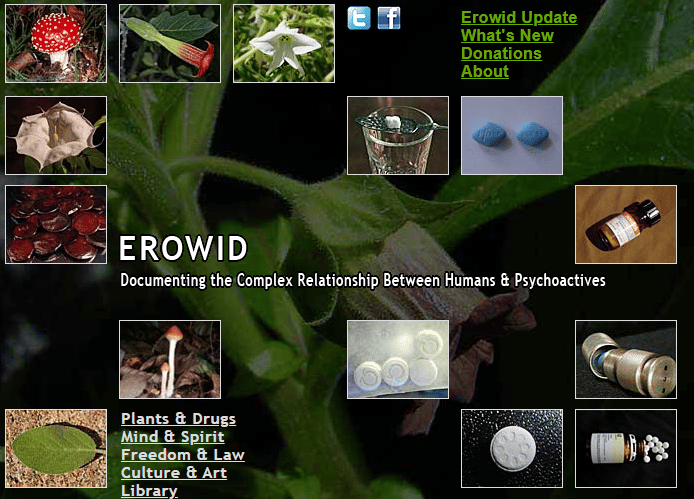
In the early 1990s, finding reliable information about psychedelics was surprisingly difficult.
Scientific research was scattered across academic journals. Government messaging emphasized the dangers of drug use, while underground communities shared knowledge within their own small circles. Separating fact from fiction required considerable detective work.
Two young researchers, known by the pseudonyms Earth and Fire Erowid, became fascinated by this information gap.1
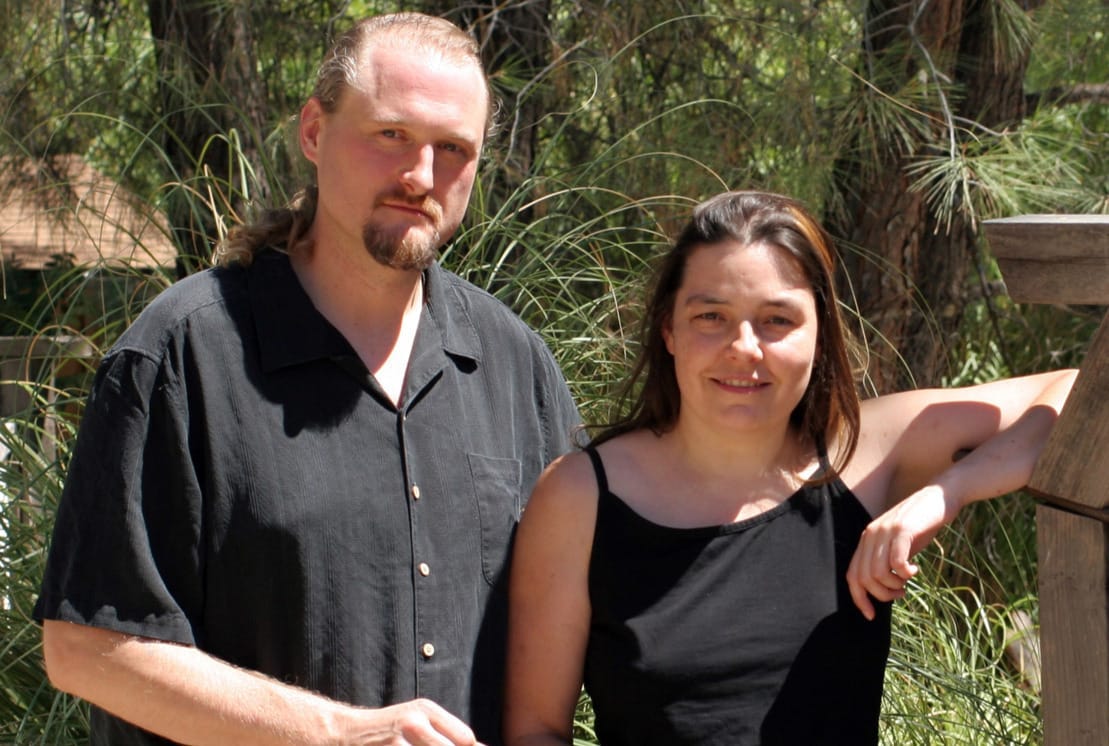
Earth had been gathering material about psychoactive plants and chemicals. Fire, meanwhile, was learning to build websites on the emerging World Wide Web. What began as an experiment in organizing information gradually became something much more ambitious.
In April 1995, they registered the domain Erowid.com. By October, a small collection of webpages was publicly accessible.
The earliest pages focused on relatively obscure substances, including DMT and ketamine. Visitors arrived through online discussion groups, sharing links and suggesting new topics. As interest grew, the founders expanded their scope to include chemistry, pharmacology, history, law, and firsthand experiences.
The website quickly developed a following.
In January 1997, Erowid was receiving approximately 1,000 page views per day. By October 1999, that figure had climbed to 35,000. In June 2000, the site launched its Experience Vaults, inviting people to contribute personal accounts of their encounters with psychoactive substances. The vault’s tagline is “You Cannot Deny the Experiences of Others.”
Its philosophy was unusual for the time.
Rather than treating drugs as inherently good or bad, Erowid sought to provide accurate information that acknowledged both their potential benefits and their risks. Scientific papers could sit alongside personal testimonies, historical research, and artistic explorations of consciousness.
In 2008, the project transitioned to the nonprofit Erowid Center.
Today, its distinctly old-school design feels like a relic of the early internet. Yet the philosophy behind it remains remarkably relevant: knowledge should be accessible, and people deserve information that helps them think for themselves.
Erowid’s greatest contribution may not be any individual article or trip report, but the preservation of a culture of curiosity that might otherwise have been lost.
2. The Man Who Attended His Own Funeral
One of Erowid’s most fascinating sections is its Experience Vault, a collection of trip reports involving various psychoactive substances.
Among them is a particularly profound report from a 21-year-old named Grigore, who describes a DMT experience in which he became convinced he had died and was attending his own funeral.2
On December 12, 2018, Grigore sat in a dark room illuminated by four candles and a glowing sign that read “Think Positive.” His girlfriend and her brother were nearby to watch over him.
An hour earlier, he had taken “3 tokes of DMT” and encountered “friendly and familiar entities” in a mysterious waiting room.
Curious to see how much further he could go, he decided to take four hits this time.
What followed was something entirely unexpected.
“Long story short, they took me straight to my funeral.
My entire life flashed before my eyes and I gradually realized that I’ve died and everything that I’ve done in my life led me to this unexpected early death on DMT.”
Although he could still see his girlfriend and her brother, he believed they were attending his funeral. The candles and illuminated “Think Positive” sign seemed to confirm his death, as though they were there to help him let go of the world.
“I was convinced that this is it and after cheating death several times, my time has finally come.”
Then came the realization that he had left so much unfinished.
“A wave of regret flowed into my soul”
Shortly before the experience, he had written a list of five things he wanted to accomplish during his lifetime. Now, believing his life was over, he realized he hadn’t completed a single one.
After approximately fifteen minutes, he had recovered physically, but something fundamental had shifted:
“I’m definetely not the same person anymore.”
In the aftermath, he reflected on three lessons from the experience that would reshape his relationship with life.
“1. Time is more valuable than money and I learned to value time more than money.
2. I utterly refuse to make more excuses in order to avoid doing what I feel and know that is good for my soul, while being preoccupied with what is apparently pleasant for the ego.
3. By witnessing my funeral, I understood that one of my deepest desires is to die without regrets, therefore, the trip helped me remember that I’m here to love, help and forgive.”
For fifteen minutes, he believed he had lost everything. And in that imagined loss, he discovered what he valued most.
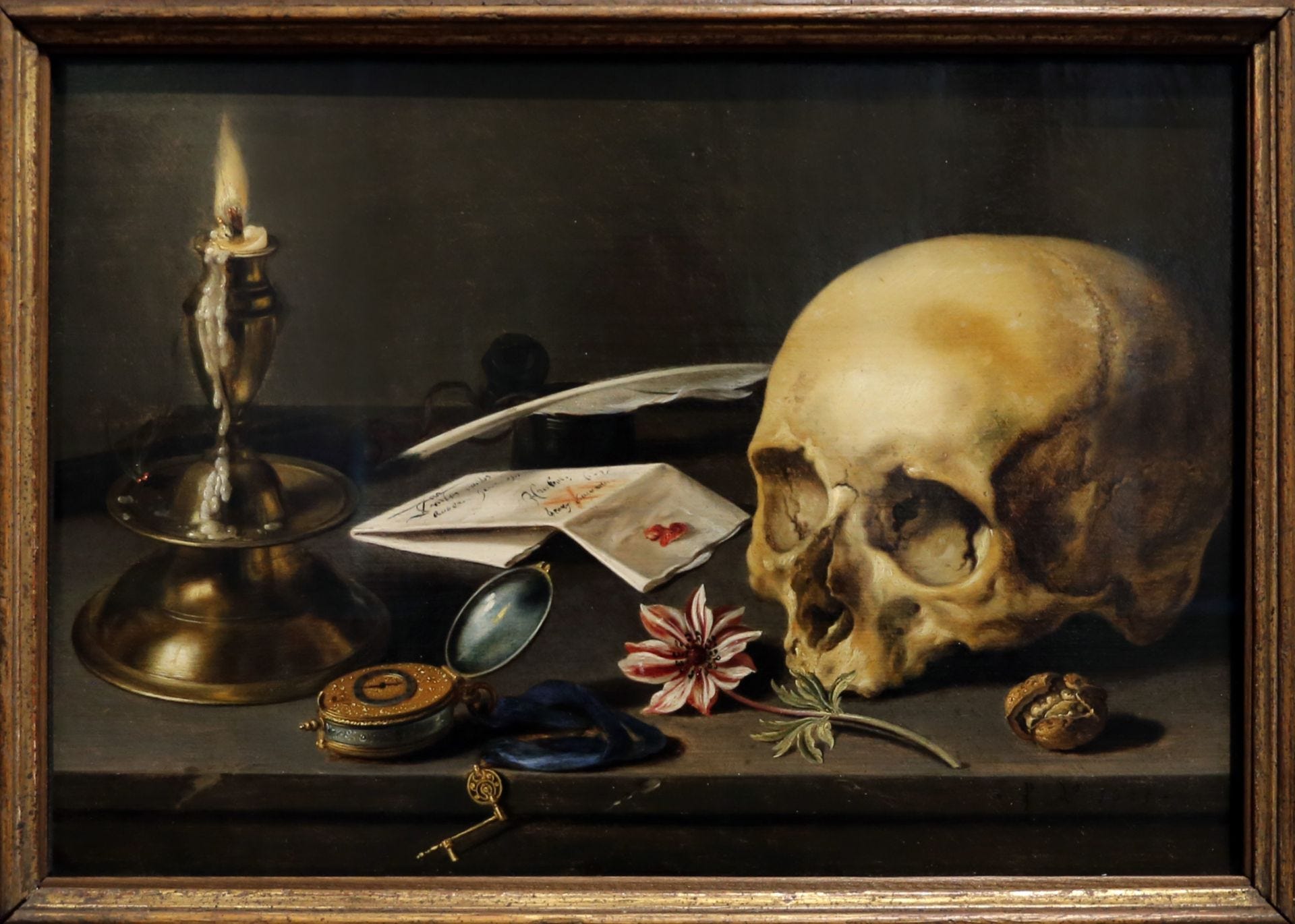
His experience recalls an ancient mystical saying: “If you die before you die, you won’t die when you die.”3
The phrase points to the idea that we can undergo a kind of death while still alive: the dissolution of our familiar identity, attachments, and fears. By confronting our mortality before our actual death, we may loosen its grip on us and discover a greater freedom to live.
There’s something awesome about Grigore’s decision to share such an intimate experience with strangers. By putting his story into words, he transformed a private revelation into something others could learn from.
3. Psychedelics and Religion (1970)
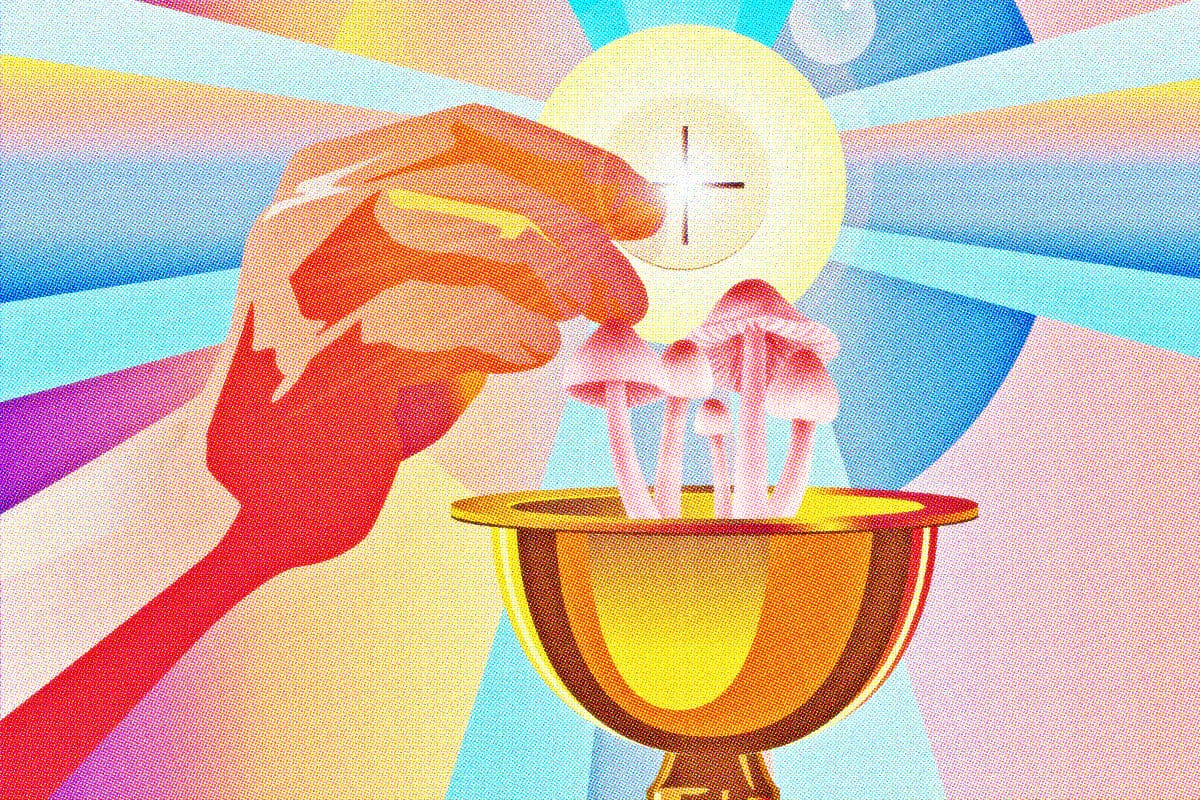
One of the pleasures of exploring Erowid is discovering its collection of historical books and essays, which reveal just how thoughtfully people were grappling with psychedelics more than half a century ago.
In the 1970 essay “Psychedelics and Religion,” psychologist of religion Walter Houston Clark explored a question still debated today:
If a psychedelic produces a profound spiritual experience, does its chemical origin make that experience any less legitimate?4
At the top of the paper, he set the tone:
“Doubtless there are those who would regard any state initiated by the ingestion of a chemical as by definition non-religious. For such people, the reading of this chapter will be an idle exercise.”
An excellent way to establish your audience.
Long before Clark became interested in psychedelics, he defined religion as the following:
“the inner experience of an individual when he senses a Beyond, especially as evidenced by the effect of this experience on his behavior when he actively attempts to harmonize his behavior with the Beyond.”
Clark used this definition to evaluate whether psychedelic experiences could be considered genuinely religious.
Drawing on philosopher W. T. Stace, he explained that
“what makes an experience mystical is not what touches it off, whether drug or Christian sacrament, but its experiential characteristics.”
Clark found support in the Good Friday Experiment, in which twenty theological students received psilocybin or a placebo before attending a religious service. He reported mystical experiences among the psilocybin group and, months later, renewed religious engagement, “resulting in an increased involvement with the problems of living and the service of others.”
When critics pointed out that psychedelic benefits could fade, Clark drew a revealing parallel with religious conversion:
“Every evangelist is well acquainted with backsliders. If personality-changes brought about through psychedelic experience are to be made permanent, they must be followed up.”
More than fifty years ago, Clark was already grappling with a question central to psychedelic integration today: How does an extraordinary experience become a lasting transformation?
He also challenged the prevailing framework for understanding psychedelics, arguing that their religious significance deserved greater attention:
“The issues that the psychedelics pose seem to most people to be in the realm of therapy, health, and the law. They may be more importantly religious.”
For Clark, one of religion’s most important functions was giving life meaning. He believed psychedelic experiences could serve a similar purpose, offering spiritual insights that captured the imagination of young people in ways traditional churches increasingly struggled to match.
While acknowledging the substances’ dangers, he closed with a call for:
“open-mindedness to what may reliably be learned both of the great promise and the dangers of these fascinating substances.”
What makes this essay so fascinating is how contemporary it feels. Questions about mystical experience, psychedelic integration, and religious freedom are still being debated today.
Erowid gives us the opportunity to revisit those conversations, appreciate the thinkers who helped shape them, and perhaps recognize how much wisdom from the past still has to offer.
Quotes
“One thing that is clear about archives: you may get the answers you are looking for, but you always leave with more questions.”
— Erik Davis
“Everyone knows there is no such thing as innocent archives.”
— Jacques Derrida
Trip Thought
A shower thought, but for psychedelics
The future depends, in part, on what we choose to remember.
Throughout history, many ideas that challenged conventional thinking were dismissed or forgotten. By preserving these stories, we give future generations the opportunity to rediscover them and build upon their insights.
What we choose to preserve shapes our collective memory. And our collective memory shapes what we imagine is possible.
Community Bulletin
🎙️ New Podcast: Terence McKenna’s daughter, Klea, just launched the official Terence McKenna podcast, weaving archival audio and letters into a journey through her father’s life. It’s truly special. Check it out.
🎬 DMT Quest 2: A new documentary exploring the DMT our bodies naturally produce, premiering in IMAX in Austin on November 17. If you’re in town, get involved.
🍄 Get Psyched Fund: A cool project connecting psychedelic nonprofits with people who want to support their work. If you’re looking for funding or wondering how to help, take a look.
📚 A Classic Reimagined: Thomas De Quincey’s Confessions of an English Opium Eater shocked readers in 1821 with its frank account of drug use. Gallowglass Books has released a beautifully illustrated hardcover edition with a new introduction by Hamilton Morris. Check this one out.
Thanks for reading!
If something resonated with you, or if you have thoughts, questions, or ideas for future editions, I’d love to hear from you.
Just reply to this email. I read every response, and your feedback helps shape where this project goes next.
See you next week!
In psychedelic companionship,
- Kyle Sharp